Skip to content

                                   Law Enforcement and
Public Safety

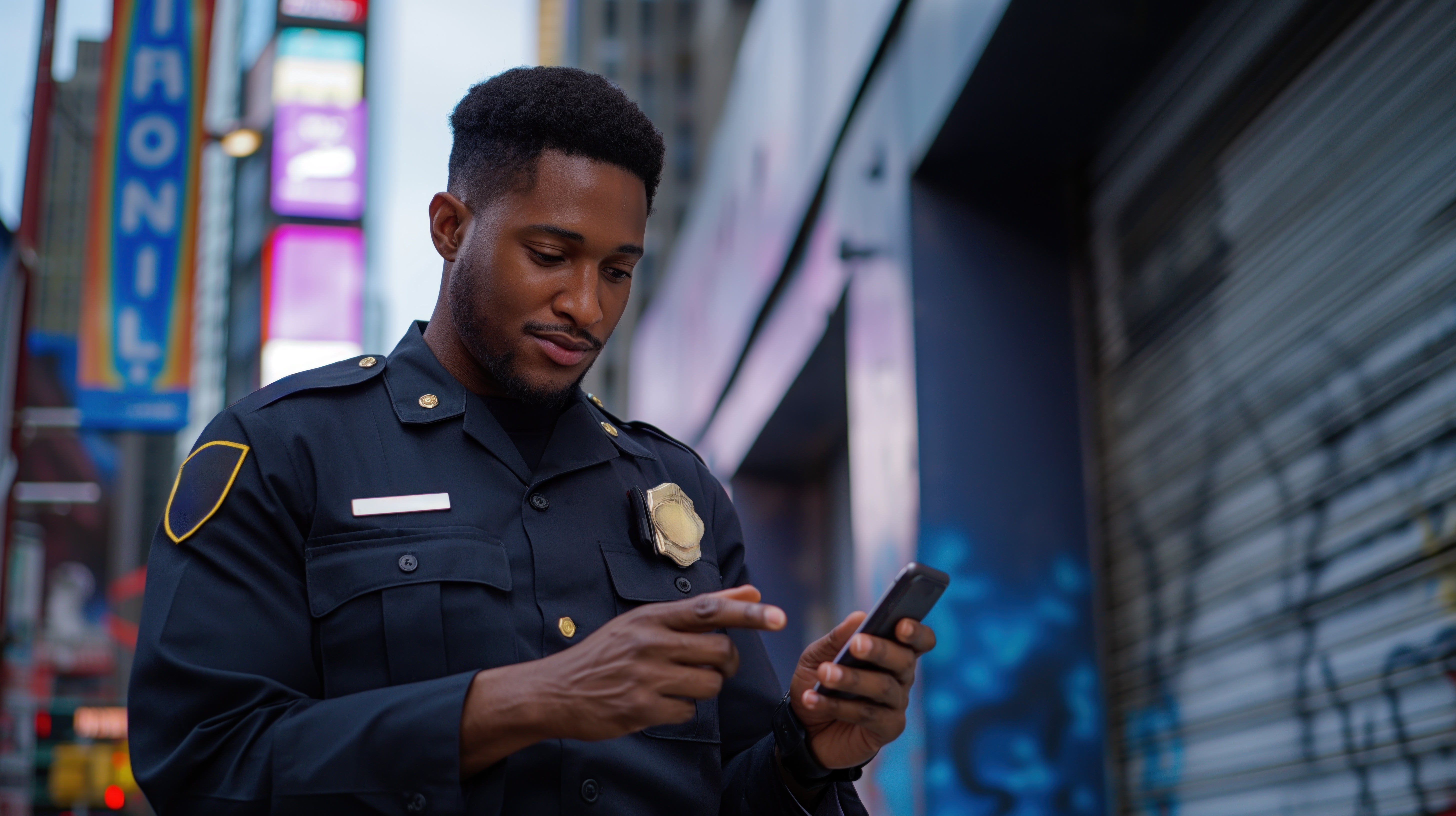
Officer Checking Phone On City Street
 

Broadband command, radio intact, court-ready.


Sentiv helps law enforcement and public-safety agencies gain broadband situational awareness without giving up the radio networks they depend on. Dual-mode devices bridge narrowband radio and cellular, so officers keep proven, mission-grade voice while command gains live video, location and data. Controllers see the whole operating picture from one position and dispatch the closest resource, and every incident produces evidence with an unbroken chain of custody. Sentiv delivers this as one managed service, integrating with existing radio investment rather than replacing it, so agencies modernise at a pace they can afford and trust.


The Challenge


Public-safety agencies still run mission-critical voice on narrowband radio, which is reliable but cannot carry the broadband video, imagery and data that modern policing and emergency response now depend on. Replacing radio outright is neither affordable nor operationally safe, and a failed migration puts officers at risk. At the same time, command needs a single, live picture across teams and agencies, interoperability between different radio fleets is difficult, and any evidence gathered has to be admissible in court. Budgets are constrained and procurement is strict, so every rand has to be justified.


How Sentiv Helps


Dual-mode radios bridge Digital Mobile Radio (DMR) and TETRA to cellular, so officers keep their existing radio while gaining broadband capability, with no forklift migration. Computer-aided dispatch and ICC unified command bring radio, push-to-talk and telephony into one console, giving controllers a single operating picture and coordinated multi-agency response. Body-worn and in-car video capture incidents with an auditable, tamper-proof chain of custody, and digital evidence management handles retention and controlled redaction. Because the platform is multi-protocol and locally supported, agencies extend coverage and capability while protecting the investment already in the ground.

Solutions and Products Used

Modern PPT

Push to talk over Cellular
Sigfox

DMR & TETRA Networks
Data distribution

ICC Unified Comms
Body worn camera

Body Worn Camera
recording

Digital Evidence Management
cap-command-control

Dispatcher

FAQ

Common Questions

“Do we have to replace our existing radio network?”

No. Dual-mode devices bridge your existing Digital Mobile Radio (DMR) and TETRA networks to broadband, so officers keep the mission-grade radio voice they rely on while gaining video, data and location. There is no forklift migration and no period where officers are left without proven communications. Radio and broadband users share the same talk groups, and Teamwire secure messaging adds a compliant text and file channel across both. You modernise at a pace and budget you control, rather than replacing everything at once.

“How is evidence kept admissible with Body-worn cameras?”

Body-worn and in-car footage is captured, timestamped and offloaded automatically, so it cannot be lost or quietly altered. It is held in tamper-proof storage with an unbroken, auditable chain of custody that records every access, and redaction is controlled so sensitive detail can be removed without changing the original. Because the whole path from capture to court is provable, the footage stands up to legal challenge. The same chain of custody supports internal investigations, disciplinary matters and public accountability.